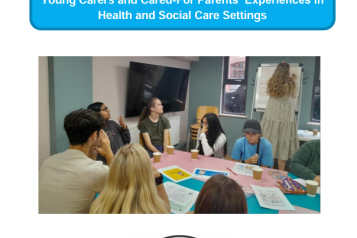

This Speak Up report focuses on the experiences of young carers and cared-for parents in Sheffield. Read some of the key findings, actions and recommendations to help ensure healthcare professionals identify young carers earlier and offer adequate support.
Community pharmacies are often the most accessible part of the NHS. They provide vital advice, dispense prescriptions and support people managing long term conditions. While many experiences are positive, we sometimes hear from people when something does not go to plan.
If you have had a hospital appointment and been given a prescription, you may need to collect your medicines from a hospital outpatient pharmacy, which works differently from your usual high street pharmacy.
Community pharmacies across England now offer a free contraception service, making it easier and quicker to access the pill and emergency contraception without always needing a GP appointment.
Paying for prescriptions can quickly add up, but many people in England are entitled to free NHS prescriptions without realising it. This guide explains who qualifies, how to check your eligibility, and what to do if you are unsure.
Ordering a repeat prescription may only take a few minutes, but several careful checks and processes happen behind the scenes before your medicine is ready to collect.
A clear and simple guide to help you understand what your prescription includes, how to check your medicines safely, and how your local pharmacy can support you.
Community pharmacies are often the first place people turn to for healthcare advice, yet many misconceptions remain about the services they provide and the professionals who work there.
These are the key things we've been hearing about in October- November 2025, including experiences of GP services and hospital care, NHS 111, NHS dentistry as well as feedback related to Right to Choose.
Local Healthwatch organisations have warned that the Government’s Equalities Impact Assessment (EQIA) for the NHS 10-Year Health Plan fails to fully consider the impact of losing independent patient voice and scrutiny, as required under the Public Sector Equality Duty (PSED).