Community Insights: SOAR Chronic Pain groups
What we did
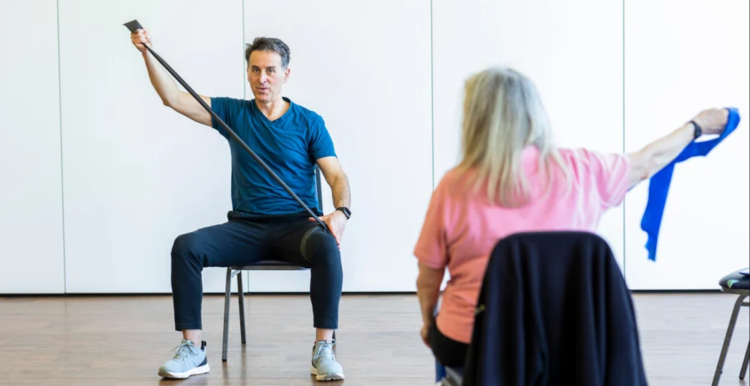
On 6 May and 16 June, we visited two of SOAR’s chronic pain groups at Firth Park Methodist Church and Firvale Community Centre.
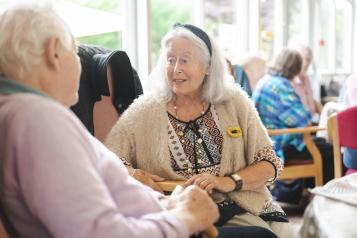
The groups meet weekly for activities ranging from talks from visiting health professionals, social chats and therapeutic exercises. We spoke to members of the groups - which included men and women of white British, Roma and South Asian backgrounds - about their experiences of healthcare services for those living with a range of chronic pain conditions. Read our findings below.
What we learnt
GP services
- Managing prescriptions has been challenging for some members of the group. One person, who at the time was bed-bound with pain, told us they waited 12 hours for the doctor to call to prescribe them the pain medication they needed, by which time the nearest pharmacy had closed.
- Another person told us that they are only able to submit prescription requests during specific times on certain days via Anima. This meant that, after not being prescribed enough of their regular pain medication, they were left without for some days having missed the request window due to work commitments.
- One member at the Firth Park Methodist Church group told us their doctor had repeatedly refused to prescribe adequate pain killers for back and knee pain, resulting in them buying milder alternatives such as paracetamol and ibuprofen over the counter, which were costly and ineffective.
- Another had attended a GP appointment to ask about receiving a cortisone injection. The GP advised them that they did not offer them at their surgery but did not signpost or refer them to another provider either.
- People spoke, not just of difficulty accessing appointments at their GP surgery, but also of seeing or speaking to a GP. Some told us they are often seen by a student or trainee doctor under supervision, which they felt uncomfortable with due to perceived lack of experience.
- None of the Fir Vale Community Centre group had received a physical examination from their GP, with doctors preferring to prescribe pain killers instead. Indeed, one person told us their request for an ultrasound was denied for a year but once they were referred, a tumour was discovered.
‘I was in a lot of pain around my lower abdomen but they just kept telling me I was okay. Then a year later I got the scan and they found I had cancer’
Pain Clinic
- None of the Firth Park Methodist Church group members had heard of the Pain Clinic at the Royal Hallamshire hospital. Members expressed disappointment that their GPs had not discussed a referral to the clinic as a possibility after years of experiencing chronic pain. The criteria for accessing this service were felt to be unclear.
- A couple of members of the Firvale Community Centre group on the other hand had been referred to the Pain Clinic but neither reported a positive experience. One person told us their request for an MRI scan had been denied, and that despite the first appointment being in person, further consultations were delivered via telephone, which they felt to be unhelpful when trying to understand the appropriate causes and treatments for physical conditions.
‘They just told me “you’re just going to have to live with the pain” and that was it’
Physiotherapy
- Those who had attended physiotherapy in recent months spoke about being handed a list of exercises to take away and a follow up appointment in 6 weeks, with no individualised exercises or examination of their symptoms and body.
‘The exercises they give you at physio now just feel self-explanatory’
- People expressed a general decline in quality of physiotherapy over the years, reporting that the service used to be tailored to individuals’ needs and symptoms and regular, repeat in-person appointments were offered.
- Some also commented that they were unhappy that acupuncture was no longer offered on the NHS, as they had previously found this form of treatment to be helpful in alleviating their symptoms.
- Most members of either group were unaware of the group physiotherapy sessions being held at Northern General hospital. However, two members who had attended these sessions described them as ‘about the same’ as the chronic pain groups they attend, and had not seen an additional benefit.
- Similar to referrals to the Pain Clinic, people were unclear what the criteria was to be referred for group physiotherapy sessions and would like to see more transparent conversations with their GPs around the options available to them.
Social prescribing
- People spoke positively about the chronic pain groups, and valued the social and informative benefits. Many at the Firth Park Methodist Church described the exercises as fun and inclusive.
- Some members across both groups had previously been to group sessions that had exercise bikes and had found them helpful. Members agreed they would like to see a wider variety of exercise equipment, such as bikes, at their chronic pain groups.
- There was anxiety for some members around potential funding uncertainty for the group. As the groups run indefinitely, they were worried about losing the support, and felt unable to plan ahead for that potential eventuality.
Ideas for improvement
- People particularly liked the idea of a navigator tool, similar to those designed by Pain Concern, to support them with conversations with healthcare professionals. Promoting awareness of the tool with GPs and patients in Sheffield was met with enthusiasm by both groups and would be seen as beneficial.
- People told us they would like healthcare professionals to use more formal methods of diagnosis in response to chronic pain complaints, such as sending for tests or doing more physical examinations. Many told us that had never received either.
‘It feels as if they don’t take your pain complaints seriously’
- It was thought that rules on submitting GP prescribing requests should be reviewed, and people should be allowed to submit online requests for repeat medications at any time of day.
Next steps
Information sharing
We will share this write-up with relevant service providers and community groups. This may include, but not be limited to, any named GP practices, mental health commissioners and service providers.
Thank you
We would like to thank Tash, the facilitator from SOAR, for having us and to all those at the chronic pain groups who shared their feedback and experiences with us.
Contact us
If you need information and advice about accessing health or social care services in Sheffield, or want to share feedback about your experiences of using them, please contact us using the details below.
0114 253 6688 between the hours of 09:00 – 16:30 Monday to Friday
0741 524 9657
info@healthwatchsheffield.co.uk
Healthwatch Sheffield, The Circle, 33 Rockingham Lane, Sheffield, S1 4FW