Community Insights: Sheffield Royal Society for the Blind
What we did
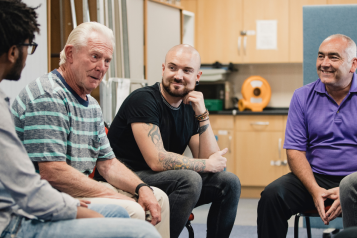
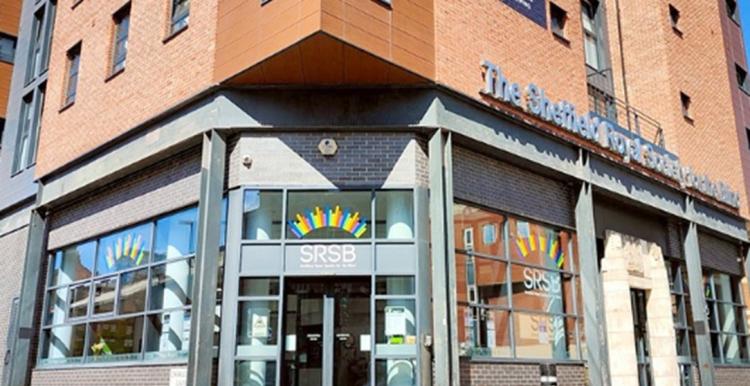
On 24 February 2026, we visited the stroke support group at Sheffield Royal Society for the Blind (SRSB), which supports people who have lost their sight due to a stroke or head injury. The group also provides a safe space for survivors to share experiences, socialise, and access information. At our visit, we met with over 15 people and provided them with information and advice on services that they can access. We also gathered their feedback on their experiences with health and social care services in Sheffield.
The group, including the staff, were incredibly welcoming, open and enthusiastic about sharing their experiences of health and social care services with us.
What we learnt
What works well?
- Some participants reported positive experiences with their GP practices, describing doctors as helpful, responsive and proactive in contacting them about results and follow-up care.
- Hospital care following stroke was generally described as very good, particularly the support provided by stroke nurses and specialist teams.
- One participant described a positive experience in A&E where staff recognised the long waiting time and instead arranged a same-day GP appointment, which was seen as a helpful and patient-centred solution.
- A couple of GP surgeries and hospital staff were described as caring and supportive, even where the wider system was challenging to navigate.
- Some people reported positive experiences with hospital services, including scans and monitoring related to eyesight conditions.
- Community and voluntary sector organisations were highly praised for the support they provide in helping people access services, equipment and information, and for signposting to other sources of help.
- Participants highlighted the importance of family members who work in or understand the health system, as this can help with referrals, advice, and navigation of services.
What could be better?
- Several participants described long waiting times for treatment, including urgent procedures. This caused significant anxiety and made it difficult for individuals to plan their lives.
- Participants found it difficult to access GP appointments due to long telephone queues and the need to call early in the morning to secure one.
- Some participants felt appointments were rushed and that they rarely saw the same doctor, meaning they had to repeatedly explain their medical history and conditions.
- One participant reported being diagnosed with a condition months after having their stroke. However, they were not given any follow-up after receiving their diagnosis and have not been offered any support or guidance about how to manage the condition through diet or exercise.
- People with multiple health conditions said they could only discuss one issue per appointment, which meant it took longer to address all their health needs.
- Digital and telephone systems were widely reported as difficult to use, particularly for people with visual impairments or cognitive difficulties.
- Participants felt that services increasingly expect patients to use online systems or the NHS App to access results, book appointments or obtain information, which is not accessible to everyone.
- Participants reported that written communication, such as surveys, leaflets and hospital menus, was often provided in formats that were difficult or impossible for people with visual impairments to read.
- Some participants reported that they had to rely on family members to read information or complete forms, which they felt should not be necessary.
- Hospital processes such as calling patients from corridors, displaying their names on screens, or asking them to complete written forms were described as particularly challenging for people with visual impairments.
- Some participants felt that reception processes compromised privacy because they were asked to explain personal medical issues at the reception desk.
- Participants reported difficulties remembering appointments due to memory issues after a stroke and said there was little support to help manage this.
- There were concerns about poor communication and a lack of explanation regarding certain medical procedures, leaving some individuals feeling dismissed or unheard when they raised concerns.
- Some participants described challenges in accessing advocacy services, including difficulty reaching them by phone.
- A participant also described receiving a large, unexpected bill from the local authority for personal assistant support, which caused significant distress and confusion.
- Participants felt that while the care provided by GPs and hospital staff was often good, the overall system was difficult to navigate and not designed with accessibility needs in mind.
SRSB stroke support group
- Participants spoke very positively about the stroke support group run by Sheffield Royal Society for the Blind, describing it as life-changing and an important source of support.
- The group was seen as a place where people could access information, equipment and advice tailored to their needs.
- Staff and volunteers were described as approachable and helpful, with participants saying they felt comfortable asking for support and being signposted to other services.
- The organisation was praised for recognising that people have different needs and providing personalised support.
- Social opportunities and trips organised through the group were also valued, helping people maintain social connections which improved their wellbeing.
“I can ask anyone at SRSB for help, and they will put me in touch with anything that I didn’t know about that I can access”
Next steps
Information sharing
We will share this write-up with relevant service providers and community groups. This may include, but not be limited to, any named GP practices, mental health commissioners and service providers.
Thank you
We would like to thank Sheffield Royal Society for the Blind and their stroke support group for having us and to all those who attended for sharing their feedback and experiences with us.
Contact us
If you need information and advice about accessing health or social care services in Sheffield, or want to share feedback about your experiences of using them, please contact us using the details below.
0114 253 6688 between the hours of 09:00 – 16:30 Monday to Friday
0741 524 9657
info@healthwatchsheffield.co.uk
Healthwatch Sheffield, The Circle, 33 Rockingham Lane, Sheffield, S1 4FW