Visiting a SAVTE conversation group in Wybourn
Healthwatch Sheffield gathers people’s views on health and social care in Sheffield and shares them with decision makers, to inform improvements.
We've written about a recent visit to a community group below. There is a printable version at the bottom of this page if you would prefer.
Our visit
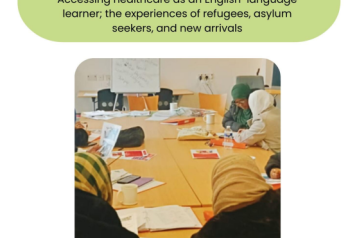
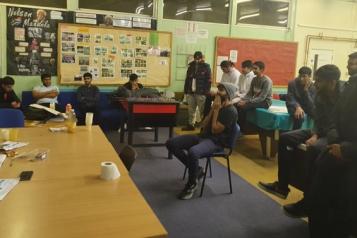
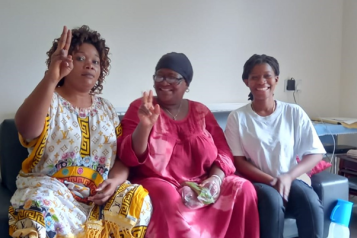
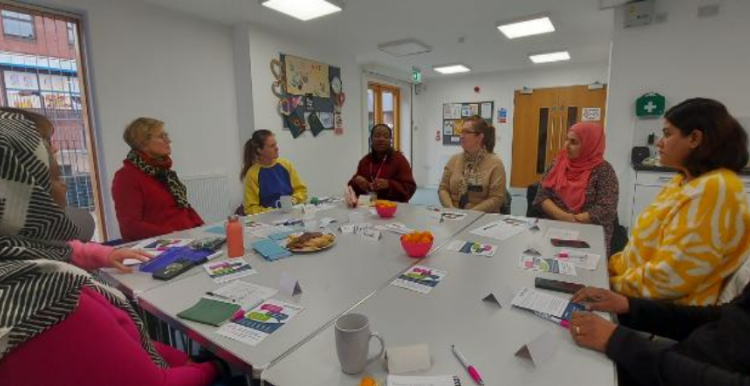
On 18 November 2025, we went to the SAVTE (Sheffield Association for the Voluntary Teaching of English) group that meets at the Pat Midgley Community Hub in Wybourn - a free, informal English language practice group for non-native speakers run by SAVTE, to help adults build confidence and skills in speaking and listening through social interaction, often serving as a stepping stone to formal classes.
At our visit, we spoke to the students and their tutors who were volunteers, about their experiences with health and social care services in Sheffield. The Conversation group tutors supported the session by identifying new or unfamiliar words within the questions we used. They wrote these words on the board and explained their meanings to the group, helping to ensure participants could fully understand the questions and engage confidently in both the discussion and surveys, as well as learn new words.
Here's a summary of what we learnt through a combination of a focus group discussion and surveys:
What is good about health and social care services you've used?
- Hospital services were generally positive. Children’s Hospital, Hallamshire Hospital, and Northern General provided care when needed, even though waiting times were sometimes too long.
- The Children’s Hospital gave good treatment for a serious toe infection, and the issue eventually resolved after ongoing care.
- Telephone interpreter services were available and helpful when needed.
- A new GP practice provided much better care compared to a previous one.
- A health visitor offered information about accessing other support services
- Emergency and hospital services ensured treatment was provided when GP access was not possible.
What is bad about the health and social care services you have used?
- Very poor access to GP appointments, especially face-to-face and by phone.
- No ability to book appointments in advance because calls were often unanswered.
- Lack of internet access makes online systems difficult to use.
- Delayed or inaccessible GP care led to worsening health, pain, and loss of trust.
- Difficulty with finding dentists that are taking on NHS patients.
- Reliance on the walk-in centre and hospitals due to GP access problems.
- Despite paying taxes and NHS surcharge, access to GP care feels limited and unfair.
- Ongoing negative experiences have led to avoiding GP services and self-managing illness which could be detrimental.
We asked people about how they preferred to receive information about their health, with the majority saying they preferred face to face with a doctor, and some saying at home, school or nursery, online and leaflets in different languages.
We also asked the kind of information and advice that would be useful for them, as well as health, social care and wellbeing services and activities that they needed, and this is what they said:
- A need for services, like smoking cessation (for social smokers), general health checks, children’s health, sexual health, SEND information, mental health support, social care, nutrition and weight management, benefits and employment advice and easier access to existing services.
- A strong interest in learning and community support, such as presentations or meetings at community centres, relaxed coffee mornings with advice, and support to improve English skills like the conversation club as well as using tools like Google, YouTube, and cartoons.
- Fitness and activities, such as walking groups, fitness classes, Zumba (including evenings), Pilates, yoga, dance, and arts and crafts. Social and recreational activities included cooking sessions, family trips, and cafés as well as spaces to meet and make new friends.
Overall, there was emphasis on the need for welcoming, inclusive spaces that made services more accessible and helped people socialise, stay active, and feel less isolated.
The feedback we gathered also highlighted a significant barrier to accessing dental care. Many participants reported difficulties finding dentists accepting new NHS patients and uncertainty about how to sign up for one.
In response we returned to the group with a list of local dentists accepting new NHS patients, as well as information on Sheffield Community and Special Care Dentistry and relevant eligibility criteria.
Following this engagement, SAVTE arranged for medical students on placement with them, to attend the group to provide practical support to help participants sign up and access dental care. This demonstrated the value of well-facilitated community engagement, responsive follow-up, and partnership working in reducing barriers to essential health services.
We will be sharing this feedback with relevant decision-makers that can help improve services. We would like to say a huge thank you to the SAVTE conversation group and everyone who shared their feedback with us.
Contact us
If you need information and advice about accessing health or social care services in Sheffield, or want to share feedback about your experiences of using them, please contact us using the details below.
0114 253 6688 between the hours of 09:00 – 16:30 Monday to Friday
0741 524 9657
info@healthwatchsheffield.co.uk
Healthwatch Sheffield, The Circle, 33 Rockingham Lane, Sheffield, S1 4FW