
NHS dentist information
Why do I need a dental check-up?
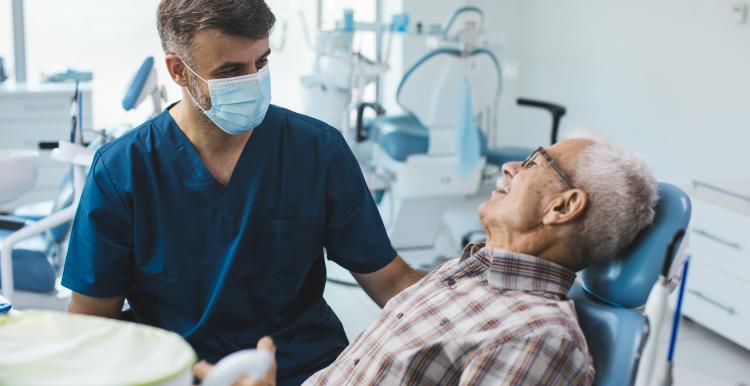
A check-up lets your dentist spot any problems and keep your mouth healthy. If issues are left untreated, they can get harder to fix, so it's best to deal with problems early or, if possible, prevent them altogether. Your dentist will tell you when to book your next check-up based on your oral health. Depending on how healthy your teeth and gums are, you may need a check-up as often as every 3 months or as rarely as every 2 years.
How do I find an NHS dentist?
You can search for a dentist on the NHS website: https://www.nhs.uk/service-search/find-a-dentist/. It shows which practices are accepting new patients, if they offer urgent appointments, and how people have rated them. We often hear that records on this website may be out of date, so it's best to contact the dental practice directly.
We regularly contact dentists across Sheffield to get an accurate picture of which practices are accepting new NHS patients so we can signpost people to them. . If you'd like to contact us, you can find our details here.
You can attend any dentist - even if the practice is based in a different area from where you live - as long as they are accepting new NHS patients.
There is a Community and Special Care Dentistry Service in Sheffield. You can find more about the service including their eligibility here.
Rights around registering with an NHS dentist
In England, you don’t officially register with a dentist like you do with a GP. This is because the NHS changed the dental contract in 2006.
Your place with a dentist only lasts for your current treatment. You’re not permanently registered, however your dentist may choose to keep you on an informal list of regular patients and invite you back for regular check-ups.
What if I need an emergency NHS dentist appointment?
If you need immediate care, you should:
- Ask your regular dentist whether they can offer an emergency appointment.
- Phone NHS 111, who can locate an urgent dental service.
- Charles Clifford provide free, urgent dental care with a student. Find out more info here.
- Visit A&E if you experience severe pain, heavy bleeding, or face, mouth or teeth injuries.
What are the NHS dentistry charges?
If you pay for NHS dental treatment, the cost depends on what treatment the dental healthcare professional thinks you need. They should tell you how much it will cost before treatment starts.
Dental practices may offer both NHS and private dental care. Before you begin your treatment, check whether you are paying for NHS, private treatment, or both.
Currently 2026 NHS Dental Band 1 treatment costs £27.90 which covers check ups and examinations, diagnosis (including Xrays if clinically needed), advice on how to prevent future problems, scale and polish if clinically necessary, and preventative care (for example, applications of fluoride varnish or fissure sealant).
You’re entitled to free NHS dental treatment if, when your treatment starts, are:
- Under 18
- Under 19 and in full time education
- Receive certain benefits
- Are named on or entitled to a valid NHS tax credit exemption certificate
- You are pregnant or have had a baby in the last 12 months
- Have a valid HC2 certificate for full help with health costs ( NHS Low Income Scheme)
Find out if you are entitled to free NHS Dental treatment by visiting: www.nhs.uk/nhs-services/ dentists/dental-costs/get-help-with-dental-costs or call the NHS Help with Healthcosts Helpline: 0300 330 1343 . You can also answer a few questions online to find out what help you could get with the cost of NHS dental charges. It takes less than 5 minutes to do. Go to www.gov.uk/help-nhs-costs